Living and studying in France.

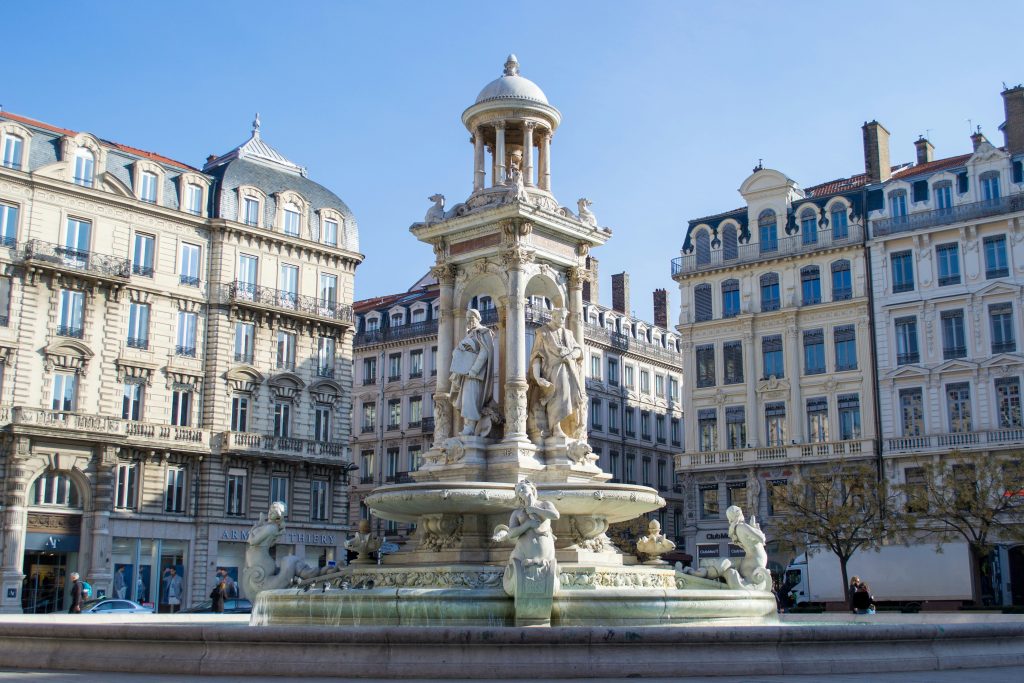
Living and Studying in France, what a Great Idea!
Choosing France, and more specifically the city of Lyon, as a destination for higher education means combining academic excellence with cultural dynamism and quality of life. It is no coincidence that UNESCO ranks France 6th in the world for the number of international students hosted: 400,000 young people enrolled in French universities and higher education institutions in 2025. There are several excellent reasons for this: the modest cost of studies, the quality of teaching and training programs, and of course the French art of living.

“What I like most about France is its cultural richness, its gastronomy, and the importance given to exchange and ideas. I often associate the French language and culture with values such as culture, reflection, and international openness. If I had to define the French language and culture in three words, they would be culture, openness, and elegance. In Lyon in particular, I really like the city’s atmosphere, its human scale, its cuisine, and its location between city and nature.”
Josephine Kusi-Manu, Ghana

Moderate cost studies.
Compared with other European countries, the cost of studying in France is often very reasonable. You should expect an annual budget of €8,000 to €12,000 to cover a full academic year, including tuition, accommodation, and daily living expenses. Public university tuition fees are generally around €170 for a bachelor’s degree and €243 for a master’s degree, while student housing (CROUS university residences or shared apartments) ranges from €300 to €600 per month depending on location and comfort. To this, you must add expenses such as food, transport, insurance, and leisure activities, averaging about €400 per month. In some cases, financial aid such as CROUS scholarships or housing benefits (APL) can help reduce this budget.
An excellent education.
At the end of high-quality training programs, degrees from French universities as well as grandes écoles enjoy international recognition, opening up strong career prospects in Europe and around the world. It is worth noting that, in addition to French, English is increasingly required in scie

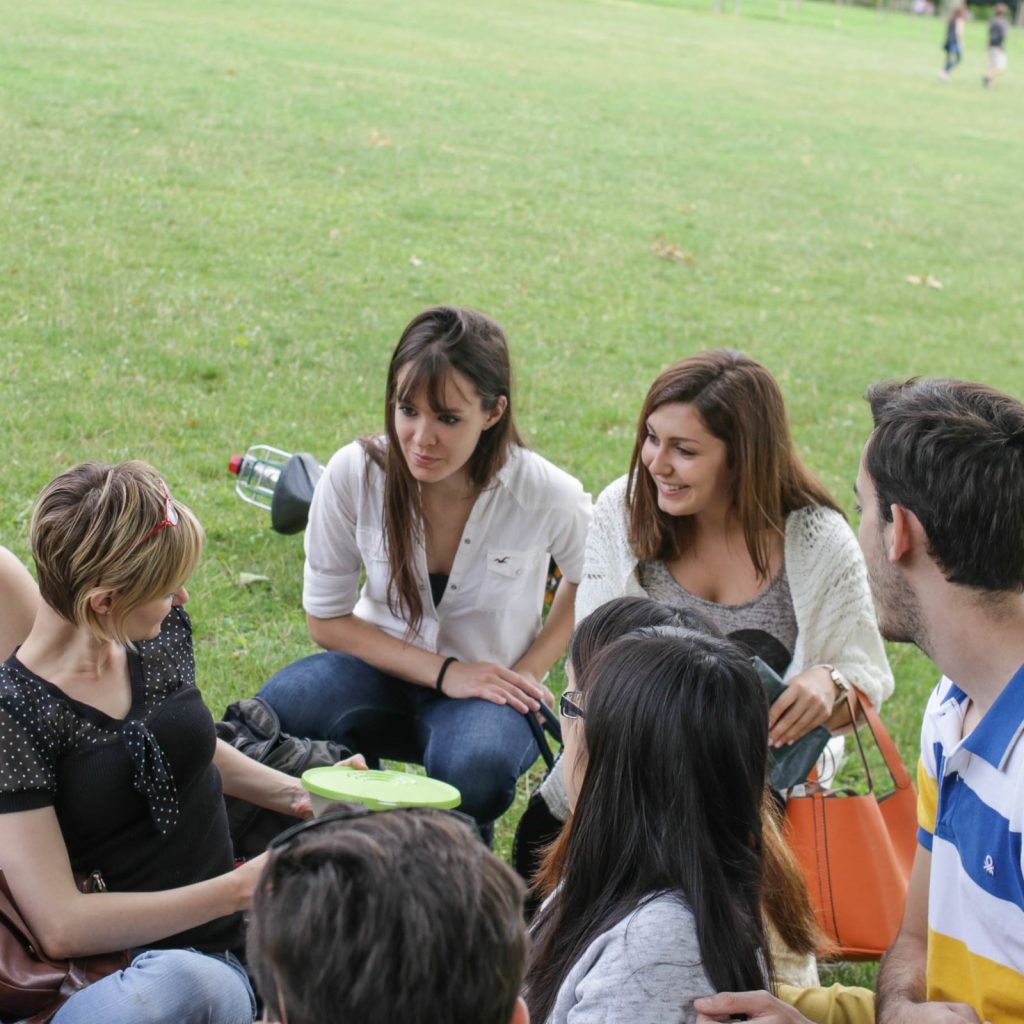
The French art of living.
Student life is full of what the French themselves call “good deals”: opportunities to go out, be entertained, and enjoy cultural activities, meet young people from all backgrounds, get involved in student organizations, or take part in sports. France offers its historical heritage, a dynamic artistic life, and great regional diversity, all supported by the French language, which remains a leading diplomatic and professional international language, officially used in many European and international institutions. This language and culture also open the door to other French-speaking European countries, Canada, and French-speaking Africa.
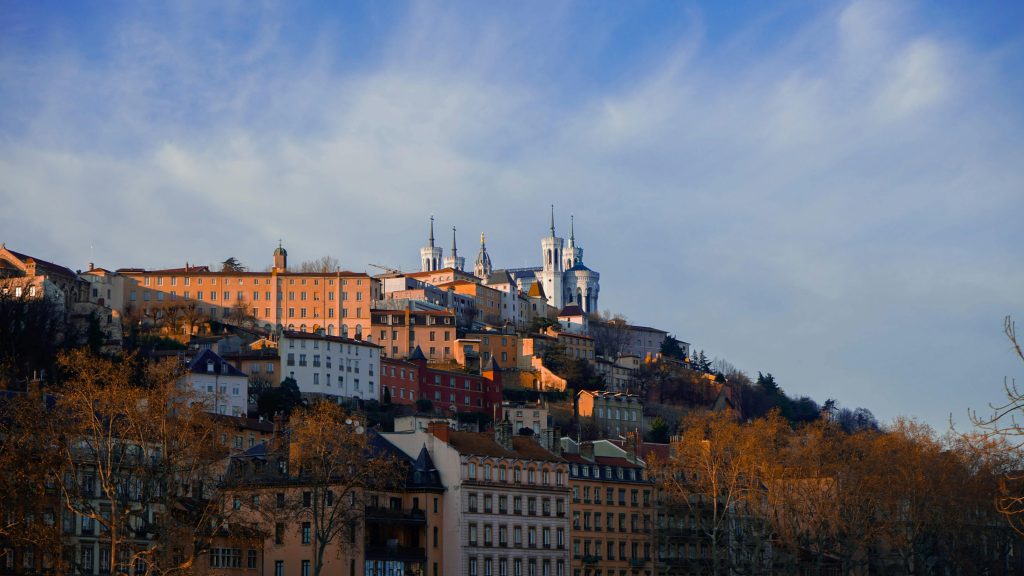
Lyon, a UNESCO World Heritage city.
Lyon, a land of academic excellence and a cultural gem, attracts more than 160,000 students every year — including 15% from around the world — thanks to a unique academic ecosystem: 4 universities, 20 grandes écoles, and outstanding study programs ranging from science to arts, including engineering and management.
Lyon is not only the second-largest student city in France: listed as a UNESCO World Heritage site, it combines 2,000 years of history with contemporary vibrancy. The two rivers that meet in Lyon, its medieval traboules, its giant mural paintings, and its avant-garde festivals all contribute to an unmatched creative energy, as does its strong economic influence.
Here, studying goes hand in hand with inspiration, in a city that has made entrepreneurship part of its DNA.

In order to help you get settled easily, learn French in France in the best conditions and comfortably adjust to your new life, Inflexyon puts at your disposal various articles about living in France :
- How to get a student visa
- Going to see a doctor or a chemist
- The OFII (French Office of Immigration and Integration)
- The student social welfare system
- Getting your driving licence
- Phones in France
- Working during your studies
- The TCL (Transports en Commun Lyonnais, public transports in Lyon)
- The APL (Aide personnalisée au logement, individualized housing assistance)